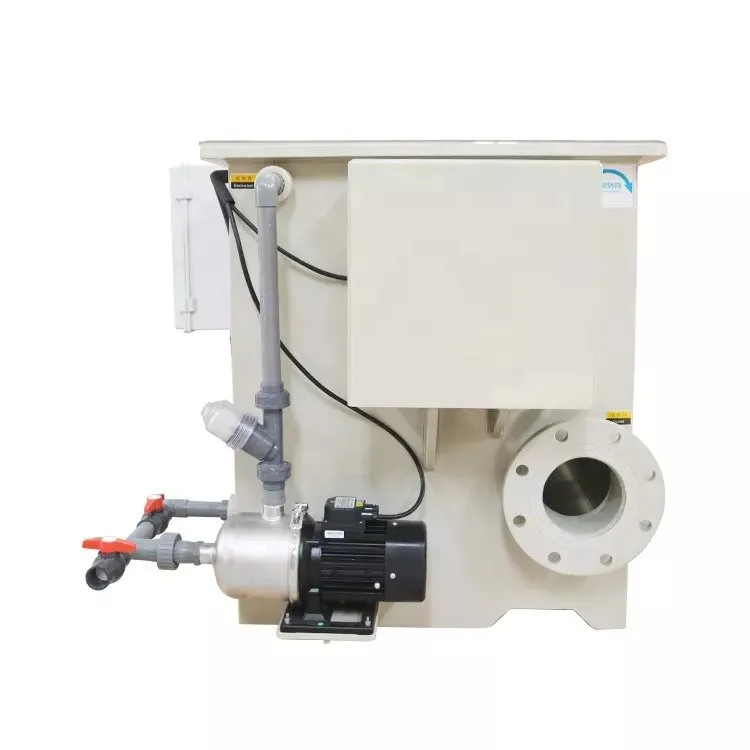
Precision screening, 40–200 µm
Fine stainless sieve mesh removes solids before they dissolve, protecting downstream pumps and the biofilter with stable separation and clog resistance.
A fully-automatic rotary drum filter intercepts suspended solids, uneaten feed and faeces at 40–200 µm before they dissolve and load the biofilter. Gravity flow, high-pressure backwash nozzles, and differential-pressure triggering keep it running 24/7 without manual intervention.
15+ years in aquaculture engineering · Trusted by Japfa Group, Japan Nissui & Tropo Farms · Shipped worldwide in one container
Product Description
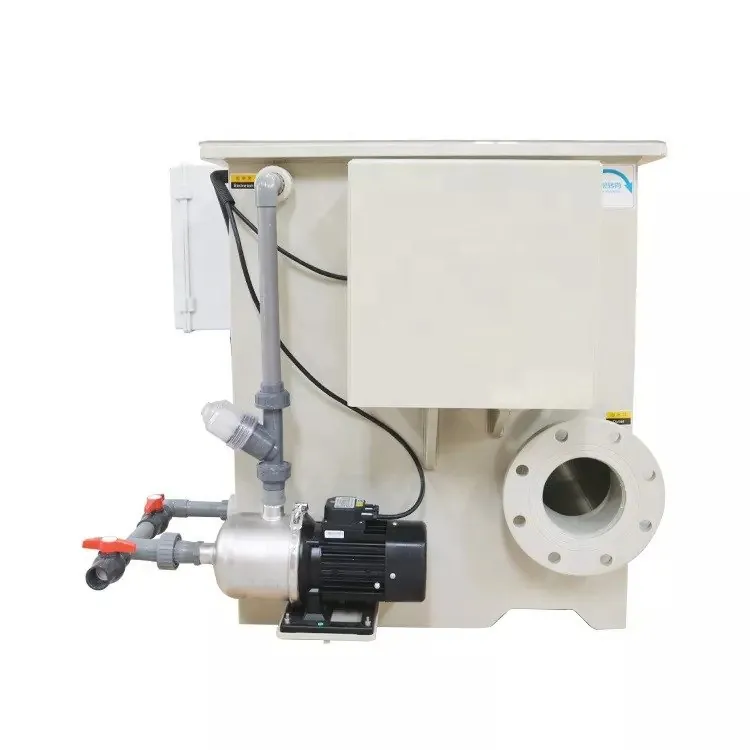
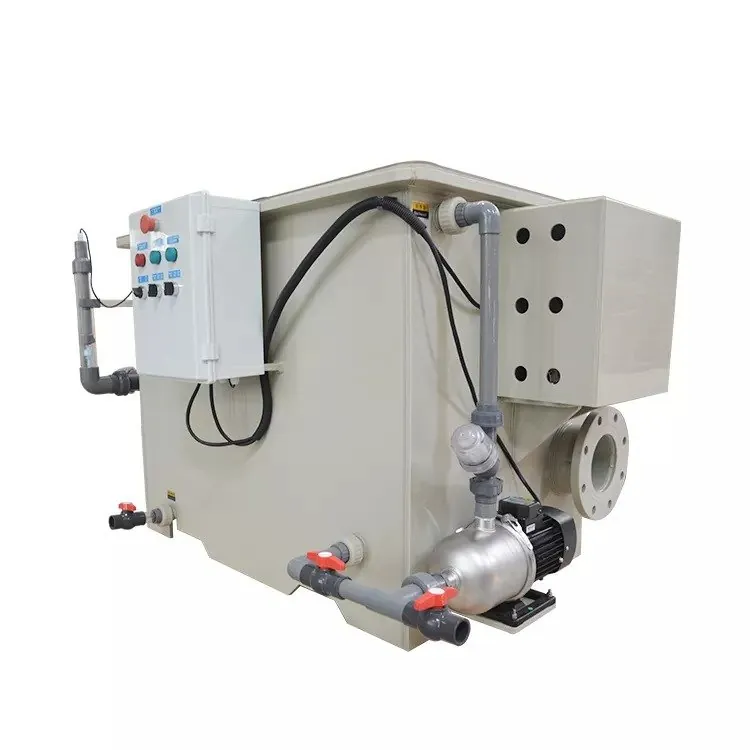
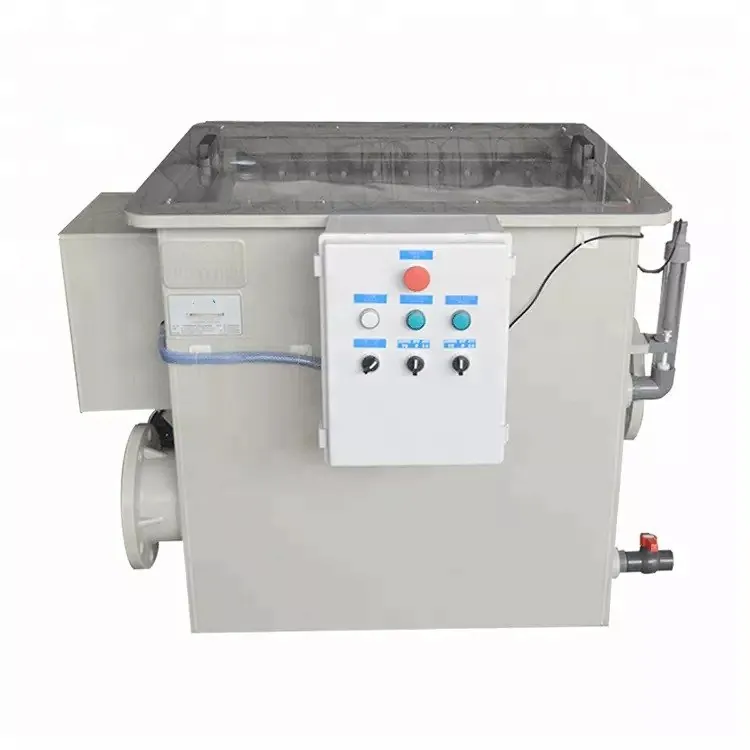
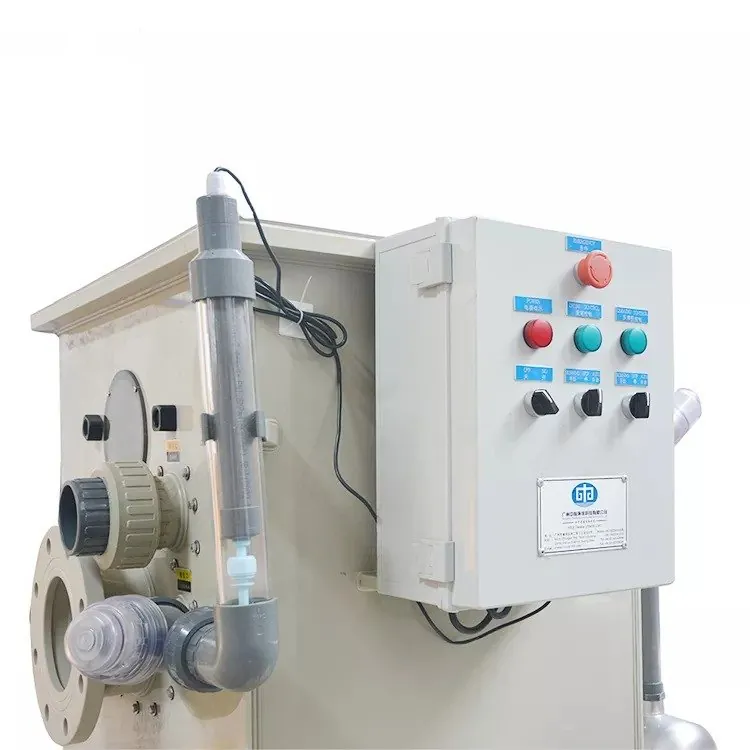
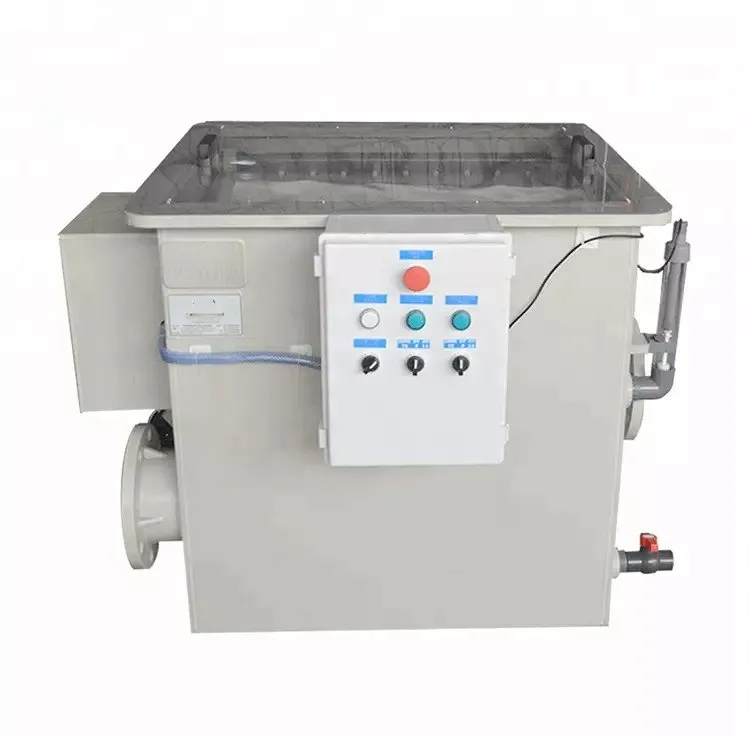
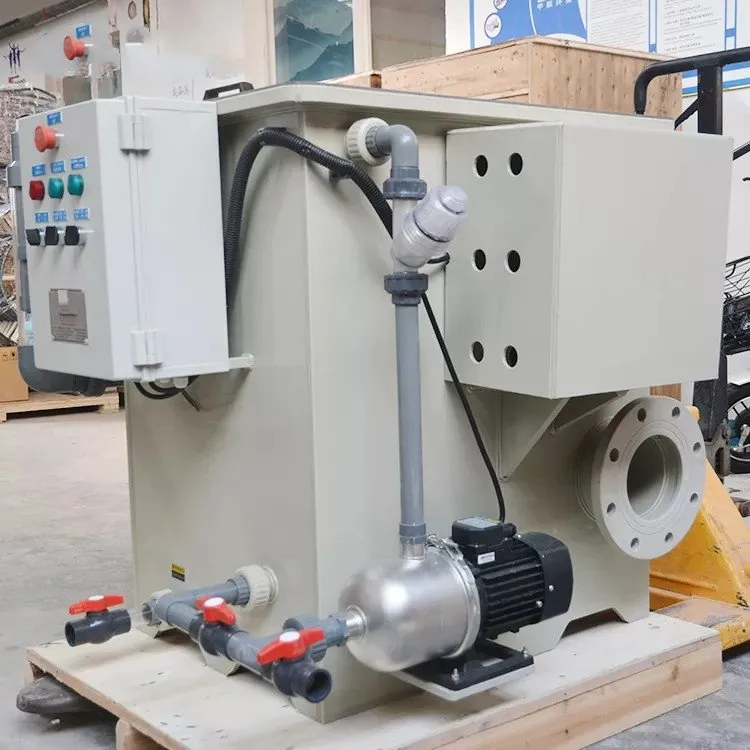
Automatic rotary drum filter made of case part, drum components, back washing system, motor control case, which made up of nontoxic corrosion-resistant engineering plastics. We use 316L stainless steel 100–400 mesh filter screen imported from Germany to separate suspended solids from water.
Advantage:
★Multiple working modes: Auto, Stop, and Manual. When in Auto working mode, it can automatically turn on and off
the backwashing system. It also can base on the mesh’s blocking situation to set the backwashing time.
★Use high-quality and special woven stainless steel mesh. A small aperture, low resistance, and strong flow capacity.
★Outer shell made of high-quality PP material, strong corrosion resistance, and durable
★Internal dump tank designed in tilted, flushing sewage can flow out easily.
★Transparent cover made of thicker anti-throw material. Can view the running state at any time.
Specifications
Model series integrated from the standard industry range — final specifications are confirmed by SIGMA's production line per project.
| Model | Capacity | Typical use | Core configuration |
|---|---|---|---|
| SIGMA-RDF-5 | 5 m³/h (≈1,320 GPH) | 1–5 m³ systems | Hydraulic / electric drive |
| SIGMA-RDF-10 | 10 m³/h (≈2,640 GPH) | 5–20 m³ systems | Hydraulic / electric drive |
| SIGMA-RDF-20 | 20 m³/h | 8–20 m³ systems | Hydraulic / electric drive |
| SIGMA-RDF-30 | 25–30 m³/h | 15–30 m³ systems | Hydraulic / electric drive |
| SIGMA-RDF-50 | 50 m³/h (≈13,200 GPH) | 20–80 m³ systems | Electric drive |
| SIGMA-RDF-100 | 100 m³/h (≈26,400 GPH) | 60–200 m³ systems | Electric drive |
| SIGMA-RDF-200 | 200 m³/h | Large commercial farms | Electric drive |
| Filtration precision | 40 / 50 / 70 / 100 / 120 / 200 µm mesh options (70 µm typical) |
|---|---|
| Screen & drum | 304 / 316L stainless-steel sieve mesh (316L wedge-wire on largest models) |
| Housing | Food-grade PP / SS304 / SS316 (316L for saltwater) |
| Water feed | Gravity flow preferred (low head loss, energy-saving) or pump feed |
| Self-cleaning | Differential-pressure or timer triggered, high-pressure spray-nozzle backwash to sludge tray |
| Water type | Freshwater / saltwater |
| Options | UV port reservation, VFD, PLC integration, enlarged sludge collection |
System composition
Fine stainless sieve mesh removes solids before they dissolve, protecting downstream pumps and the biofilter with stable separation and clog resistance.
Fan-pattern spray nozzles flush the mesh from outside on every cycle, keeping the screen clear and throughput high — no manual cleaning.
Backwash is triggered by differential water level or a timer, so the drum filter for RAS runs unattended at very low operating cost.
Low head loss allows pure gravity flow or pump feed, cutting pumping energy across the recirculating loop.
Suited to seawater RAS and abrasive duty; mesh and drum are 316/304 stainless steel.
Multiple drums combine for larger farms — flexible installation and easy capacity upgrades.
Few moving parts and few failure points; periodic inspection is all that is required.
Application
Video
FAQ
Water enters the rotating drum and passes outward through a fine stainless-steel sieve mesh, trapping solids on the inside. As debris builds up (or on a timer) the drum turns and a row of high-pressure spray nozzles flushes the mesh into a sludge tray — fully automatic, with no manual cleaning.
Filtration precision is set by the mesh, commonly 40–200 µm, so the unit can be tuned from fish RAS to shrimp or hatchery duty.
Removing solids is the first critical step — if suspended particles, uneaten feed, algae and waste are not taken out early, they dissolve, spike ammonia and overload every downstream stage.
Yes — the mesh and drum are 316/304 stainless steel and the housing is food-grade PP or stainless steel, both built for fresh- and sea-water. Units run by gravity feed or pump feed.
They're the same core technology — a rotating cylinder wrapped in fine stainless mesh that continuously screens solids under gravity or low-pressure flow. A microscreen drum filter is just the generic name for the mesh rating; SIGMA's rotating drum filter for aquaculture is sized by pond or RAS flow rate and mesh precision (40–200 µm), so the same platform covers fish, shrimp and hatchery duty.
The drum cleans itself in place: as it rotates, a high pressure spray bar above the drum fires filtered water back through the mesh, flushing trapped solids into a sludge trough. The cycle triggers automatically from the water-level differential, so the rotary drum filter keeps a clean screen around the clock without manual brushing.
Related equipment
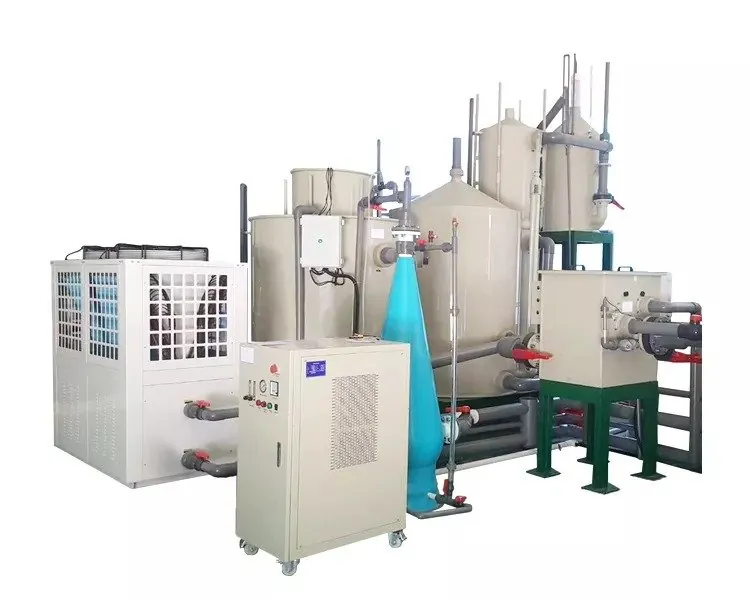
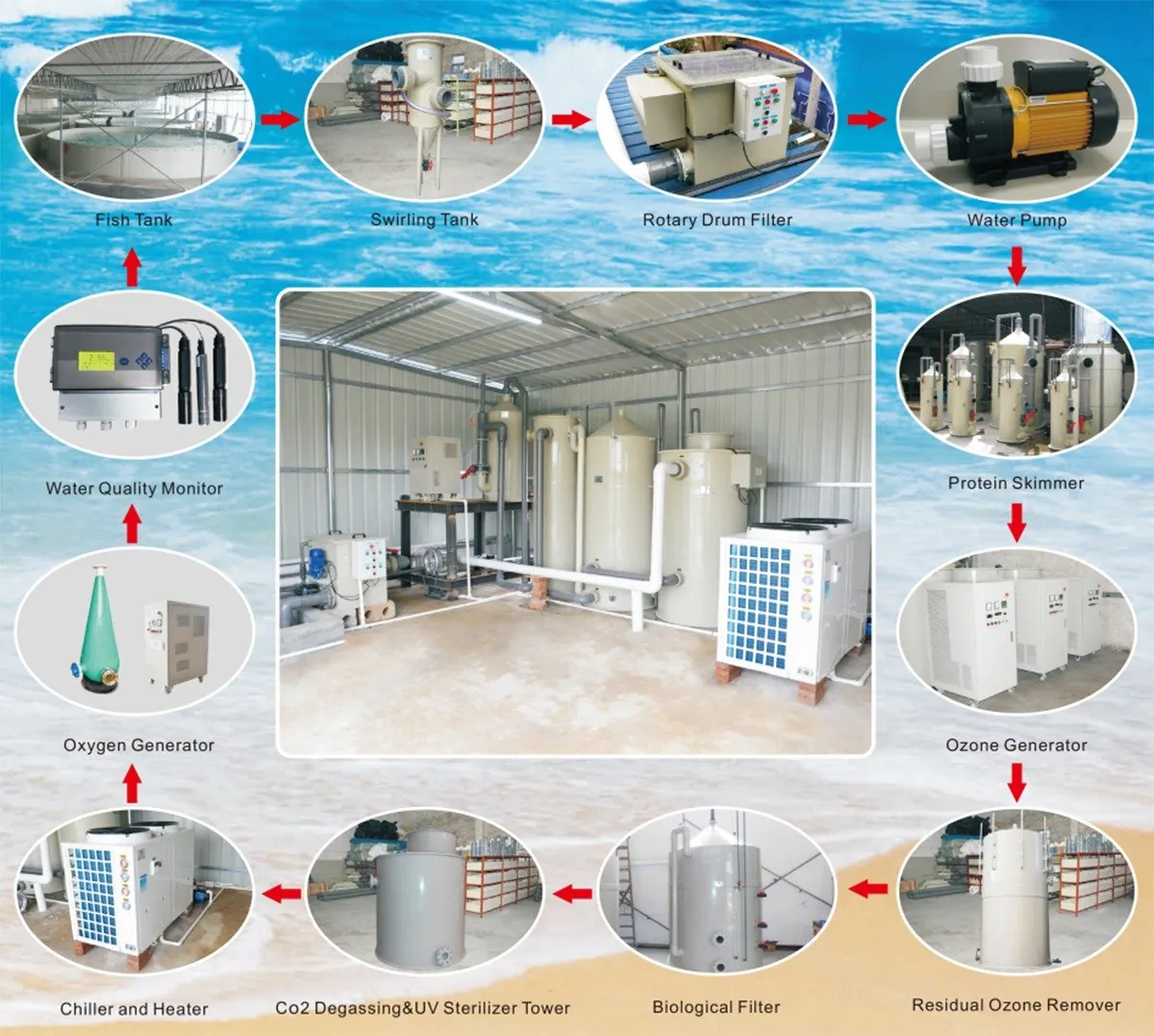
Complete recirculating aquaculture (RAS) systems: drum filters, biofilters, oxygen cones, pumps & monitoring. Custom-designed for your species & volume.
View details →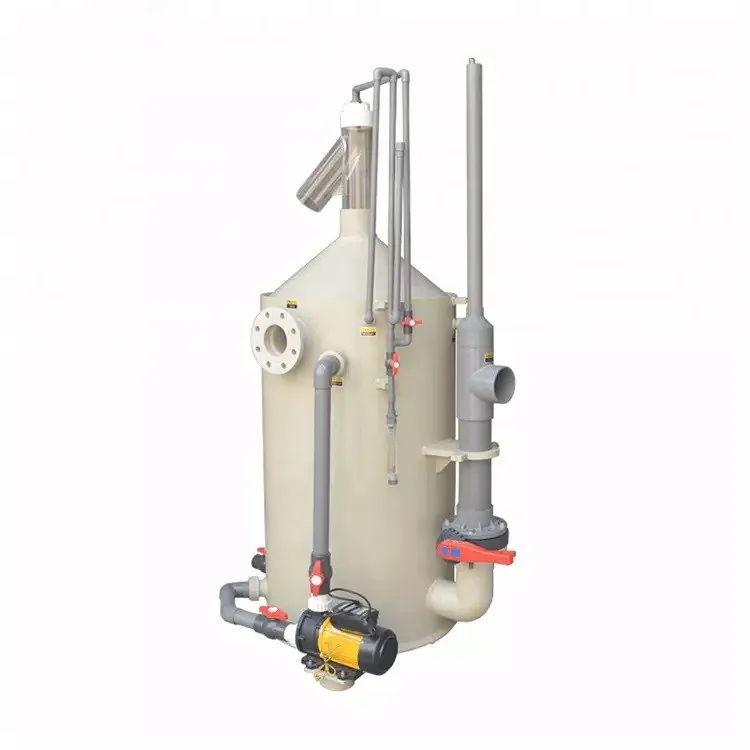
Moving-bed & media biofilters for RAS and aquaculture — high surface-area media, stable nitrification, removes ammonia. Factory-direct from SIGMA.
View details →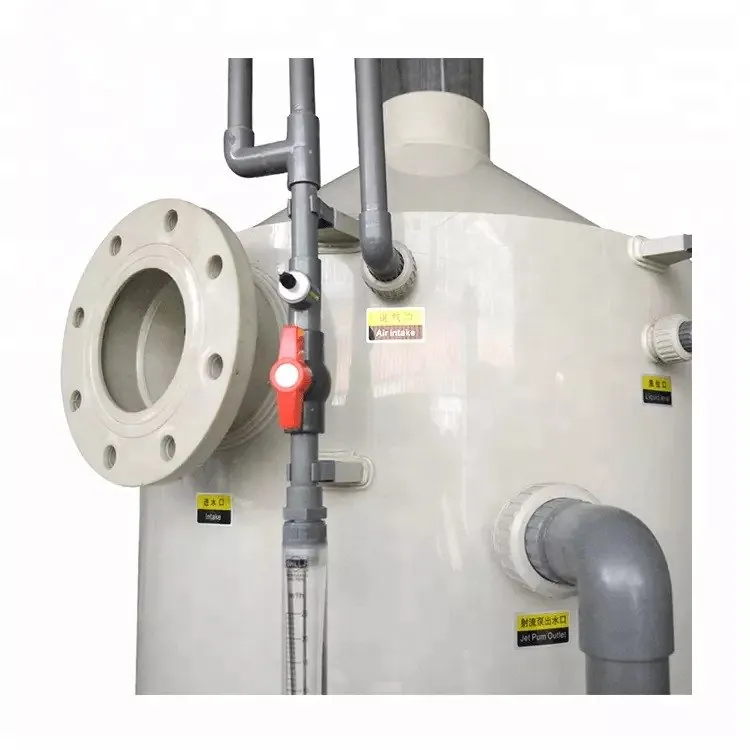
Industrial protein skimmers / foam fractionators for RAS & marine aquaculture — removes dissolved organics, improves water clarity & oxygen. Factory-direct.
View details →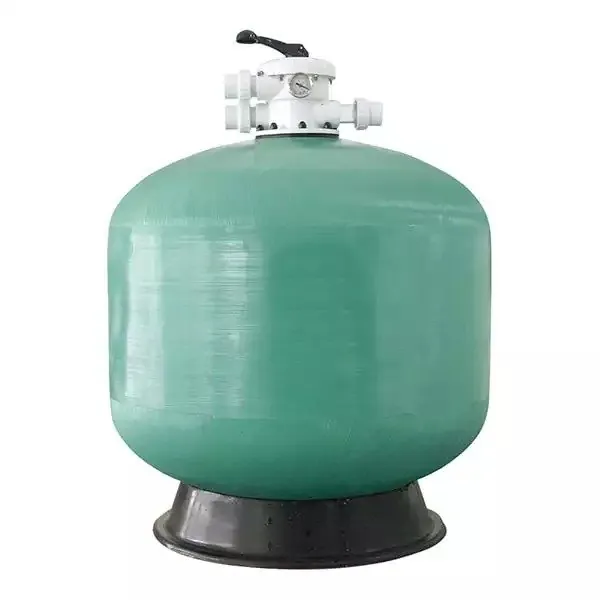
High-flow commercial sand filters for aquaculture, RAS & pond water treatment — efficient solids removal, easy backwash. Factory-direct from SIGMA.
View details →Tell us your species, target density and site — our engineers size the system and reply within one business day.