
Removes dissolved organics at the source
Proteins and organics are stripped before they decay into ammonia, directly cutting the load on the biofilter.
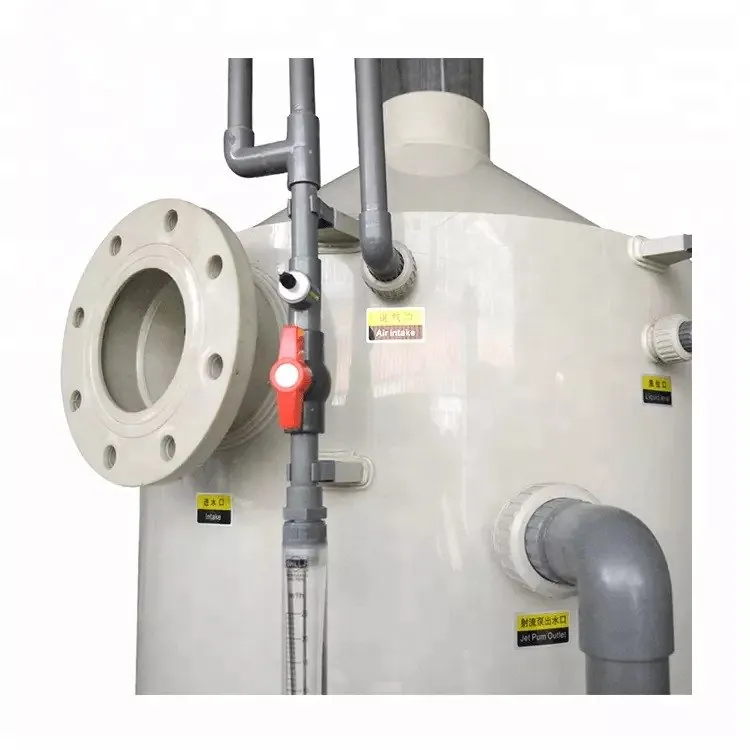
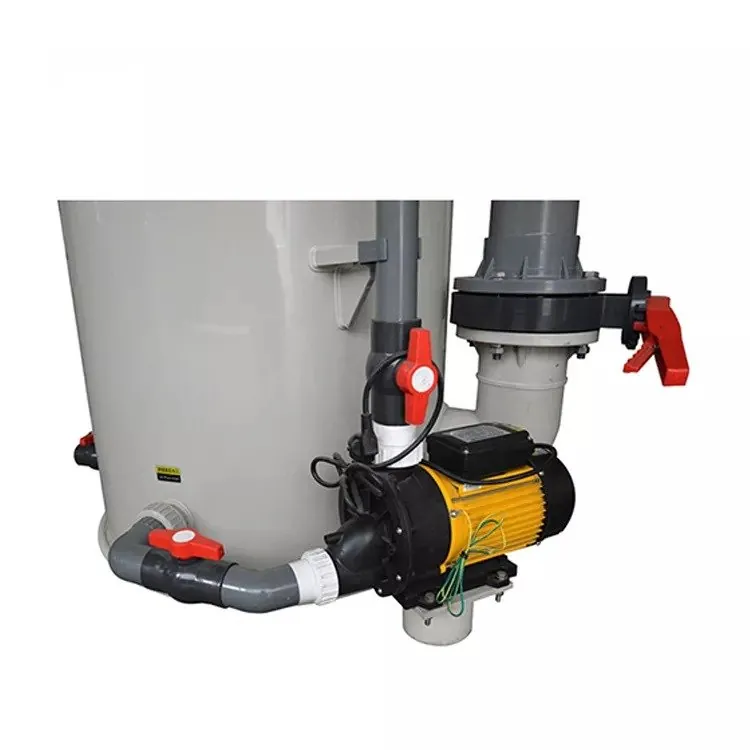
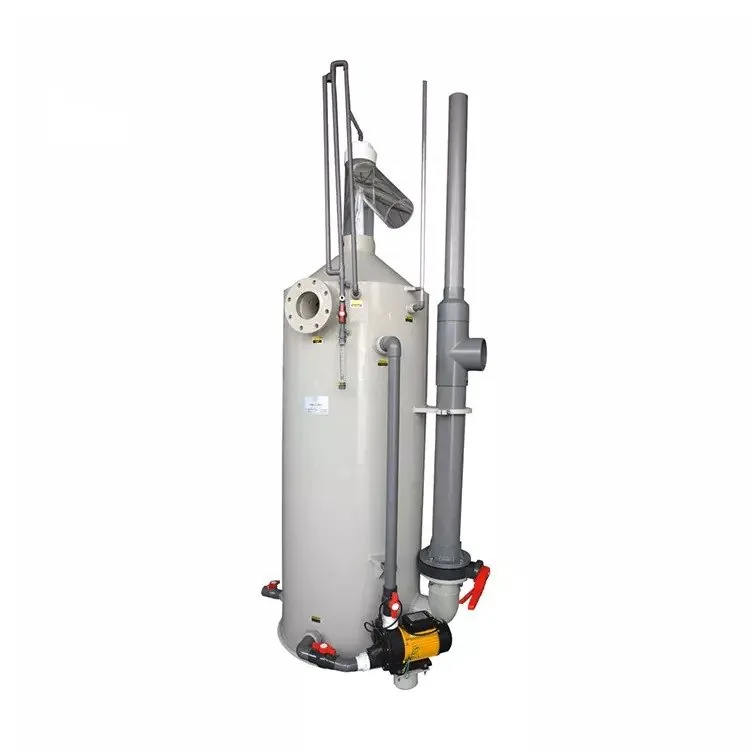
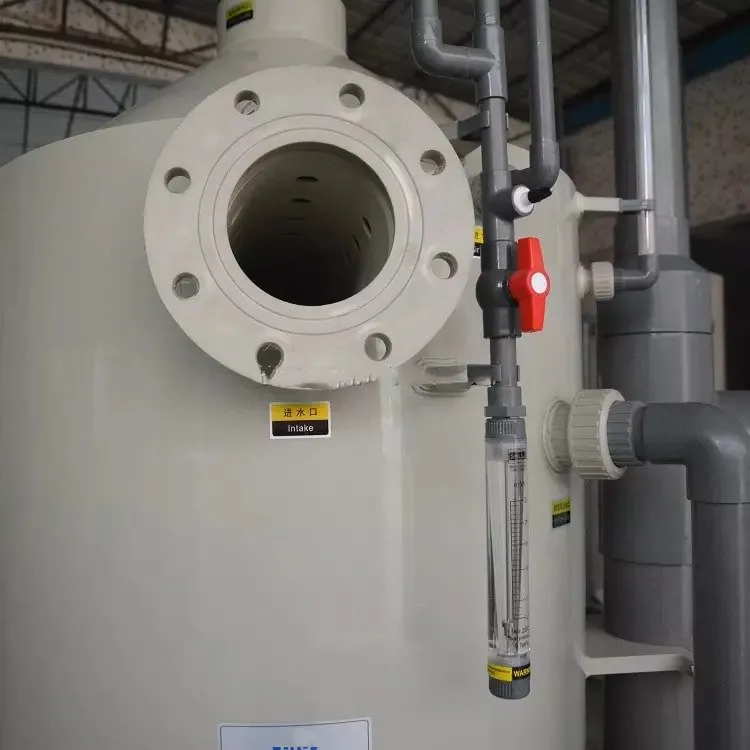
An aquaculture protein skimmer removes dissolved organics before they decay into ammonia. Fine micro-bubbles attach to proteins and suspended solids and carry them out of the water as foam, cutting the load on your biofilter, raising dissolved oxygen, and pairing naturally with ozone in seawater RAS.
15+ years in aquaculture engineering · Trusted by Japfa Group, Japan Nissui & Tropo Farms · Shipped worldwide in one container
Product Description
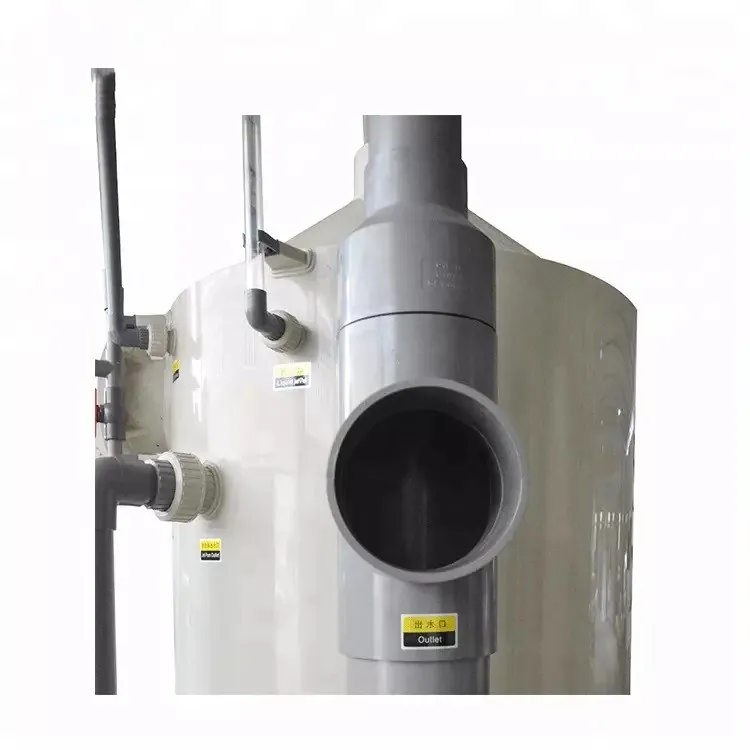
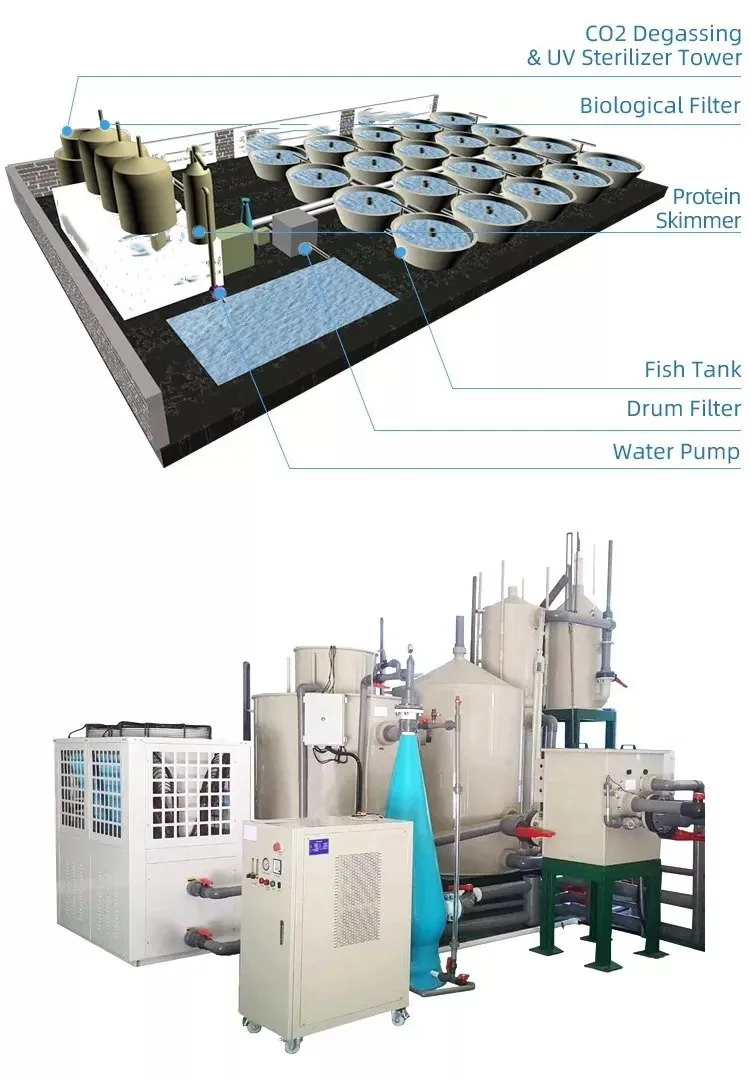
Protein skimmer has a unique structure and uses the PEI potential energy intake invention patent technology and N-type water vapor mixture of multiple cutting technology, to produce a large number of tiny bubbles, with the effect of surface tension, attract particulate dirt and soluble organic compounds mixed in water, through the flotation principle, removed the aquaculture wastewater suspended colloid, cellulose, protein, feed and manure, and other organic matter. And the configuration of the airflow control valve and liquid level control valve can make the protein separator gain the best effect in different working conditions.
Advantage:
Specifications
Flow ranges reference proven industry series — final specifications are confirmed by SIGMA's production line per project.
| Model | Capacity | Typical use | Core configuration |
|---|---|---|---|
| SIGMA-PS-3 | 3–5 m³/h | Small systems / hatchery | PP housing |
| SIGMA-PS-10 | 10 m³/h | Small farms | PP / FRP housing |
| SIGMA-PS-30 | 30 m³/h | Mid-size farms | PP / FRP housing |
| SIGMA-PS-60 | 60 m³/h | Mid–large farms | PP / FRP housing |
| SIGMA-PS-100+ | 100 m³/h and up | Large / seawater farms | FRP / LLDPE · pump-driven + ozone |
| Working principle | Micro-bubble foam fractionation — organics attach to bubble surfaces and exit as foam |
|---|---|
| Flow per unit | Approx. 3–60 m³/h per unit; larger custom or parallel installation |
| Bubble generation | Venturi injector or pump-driven micro-bubbles |
| Housing | Corrosion-resistant PP / FRP / rotomolded LLDPE — seawater-ready |
| Best conditions | Most effective in seawater; usable in freshwater at lower efficiency |
| Options | Ozone port (pair with ozone generator for extra clarity and disinfection), foam collection cup, level control |
System composition
Proteins and organics are stripped before they decay into ammonia, directly cutting the load on the biofilter.
Fine bubbles give a huge attachment surface, extracting dissolved waste and fine solids for visibly clearer water.
Intensive gas–liquid contact aerates the water while it cleans.
Skimming efficiency peaks in salt water — the natural fit for marine fish, shrimp and ornamental systems.
An optional ozone feed oxidises organics, boosting both skimming efficiency and biosecurity — the combination used in most integrated RAS.
PP/FRP/LLDPE bodies run continuously on low power with little attention.
Application
Video
FAQ
A stream of fine micro-bubbles is injected into a contact column; dissolved organics and fine solids stick to the bubble surfaces, and the resulting foam carries the waste up into a collection cup to be discarded — before it decays into ammonia.
Yes — foam fractionation works best in seawater RAS for fish and shrimp farms, holding systems and marine aquaria. It still helps in freshwater, at lower efficiency.
Yes — pairing it with an ozone generator oxidises organics and boosts both skimming efficiency and disinfection, a combination used in most integrated RAS.
Bodies are corrosion-resistant PP, FRP or rotomolded LLDPE, sized by water flow (e.g. 30–60 m³/h per unit, smaller and larger on request) with venturi or pump-driven bubble generation.
A protein skimmer for aquaculture is a foam fractionation unit that strips dissolved organics and fine solids from the water before they break down into ammonia. In a RAS it sits after the drum filter and before the biofilter, reducing the ammonia load on the biofilm. Protein skimmer aquaculture applications are strongest in seawater systems — marine fish, shrimp and ornamental RAS — where surface-tension effects make foam fractionation highly effective. SIGMA's skimmers pair naturally with an ozone generator for additional disinfection and clarity.
In freshwater the foam column is weaker, so a RAS protein skimmer is optional rather than core — many freshwater farms rely on the drum filter and biofilter alone. It earns its place at high stocking densities and in hatcheries, where stripping dissolved organics before the biofilter visibly stabilizes water quality; in saltwater and brackish RAS it is standard equipment.
Related equipment
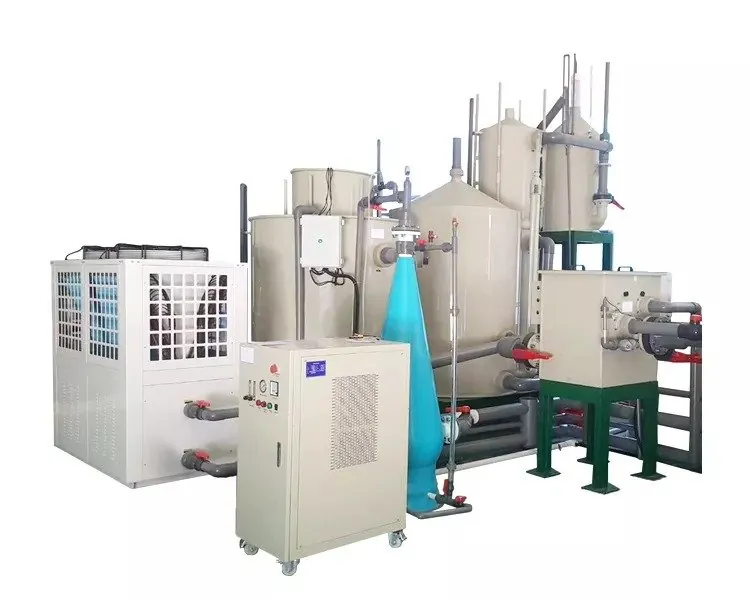
Complete recirculating aquaculture (RAS) systems: drum filters, biofilters, oxygen cones, pumps & monitoring. Custom-designed for your species & volume.
View details →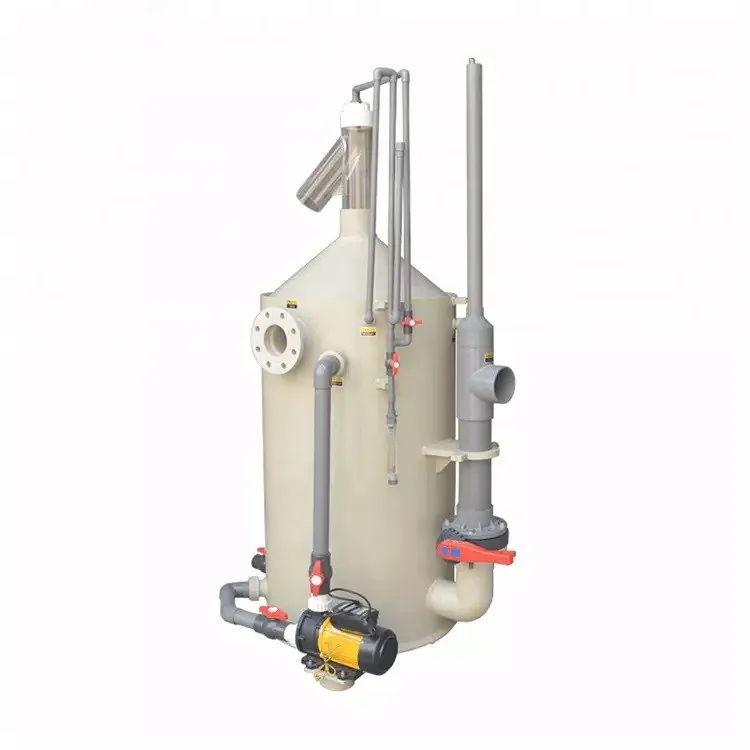
Moving-bed & media biofilters for RAS and aquaculture — high surface-area media, stable nitrification, removes ammonia. Factory-direct from SIGMA.
View details →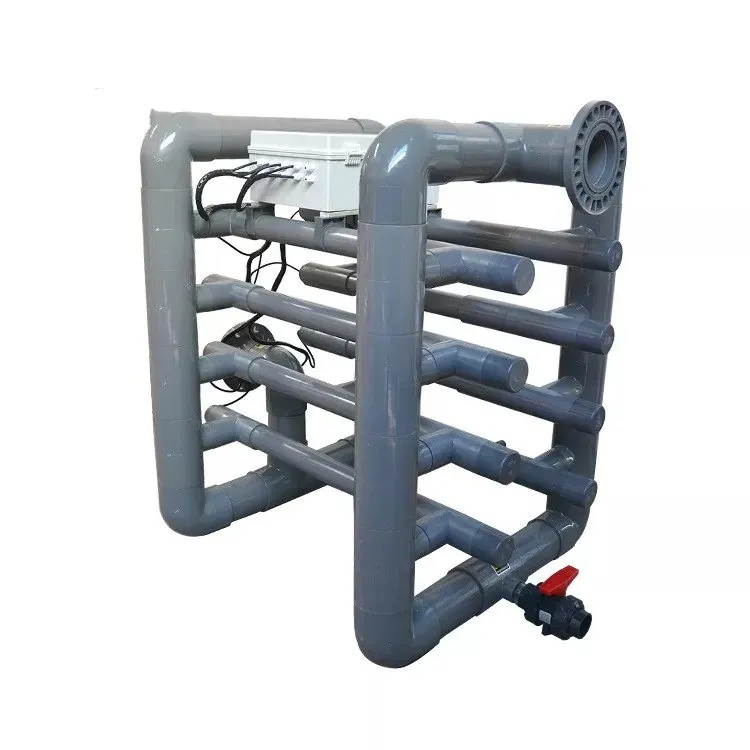
UV sterilizers for aquaculture & RAS — kill bacteria, parasites & algae spores, prevent disease without chemicals. Multiple flow rates, factory-direct from SIGMA.
View details →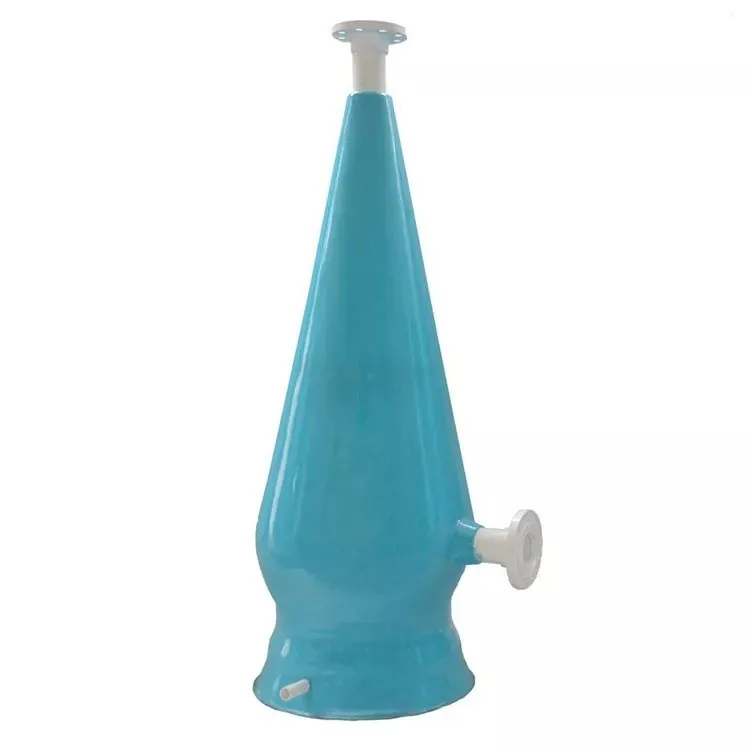
Oxygen / Speece cones that dissolve pure O2 for high-density RAS & biofloc farms. High transfer efficiency, multiple capacities. Manufacturer-direct from SIGMA.
View details →Tell us your species, target density and site — our engineers size the system and reply within one business day.