Up to ~100% oxygen transfer
Near-pure O₂ dissolves almost completely inside the cone under hydraulic pressure — no gas wasted, no bubbles escaping.
A downflow dissolved oxygen cone (Speece cone) dissolves near-pure O₂ into your RAS flow at up to ~100% transfer efficiency. No bubbles escape, no surface disturbance, and stocking densities become possible that paddle wheels and diffusers alone can never support.
15+ years in aquaculture engineering · Trusted by Japfa Group, Japan Nissui & Tropo Farms · Shipped worldwide in one container
Product Description
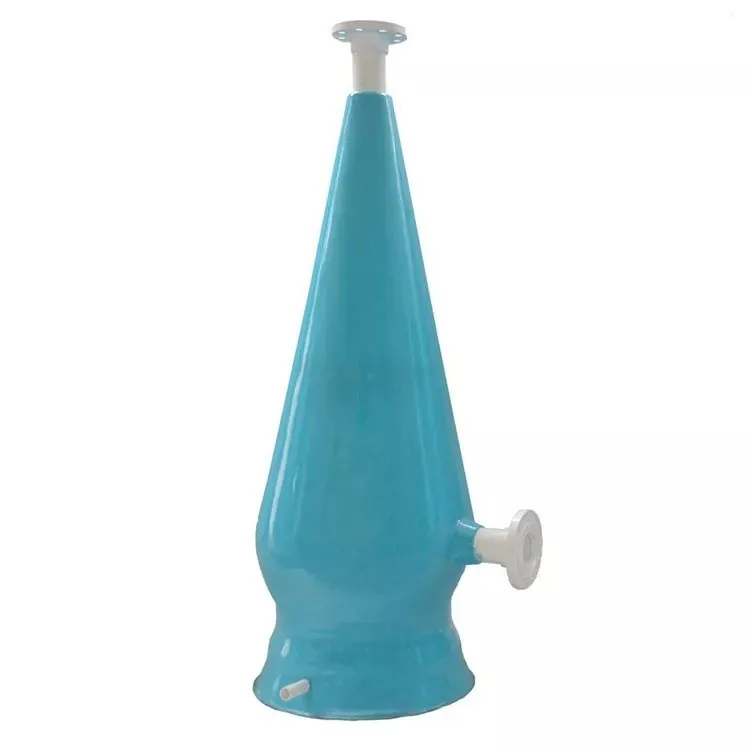
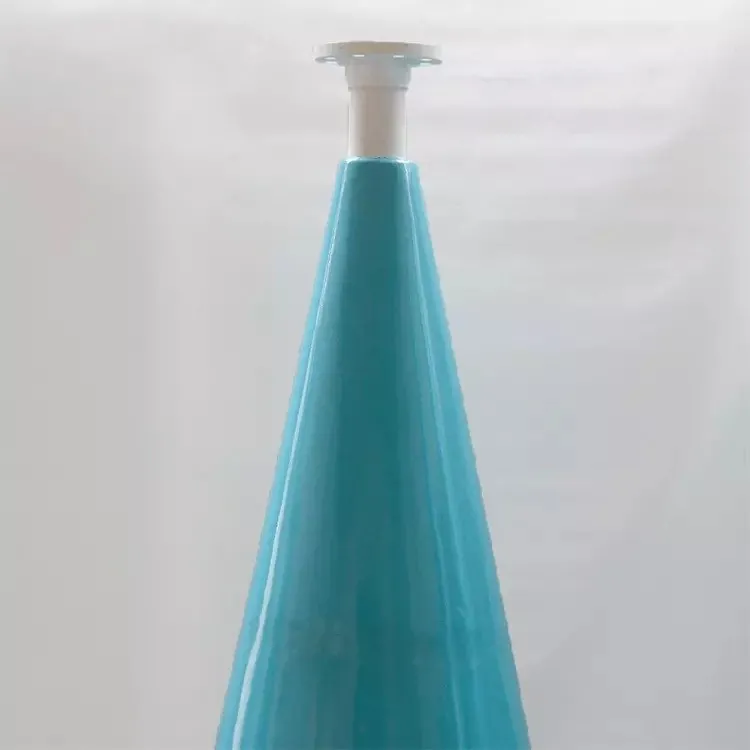
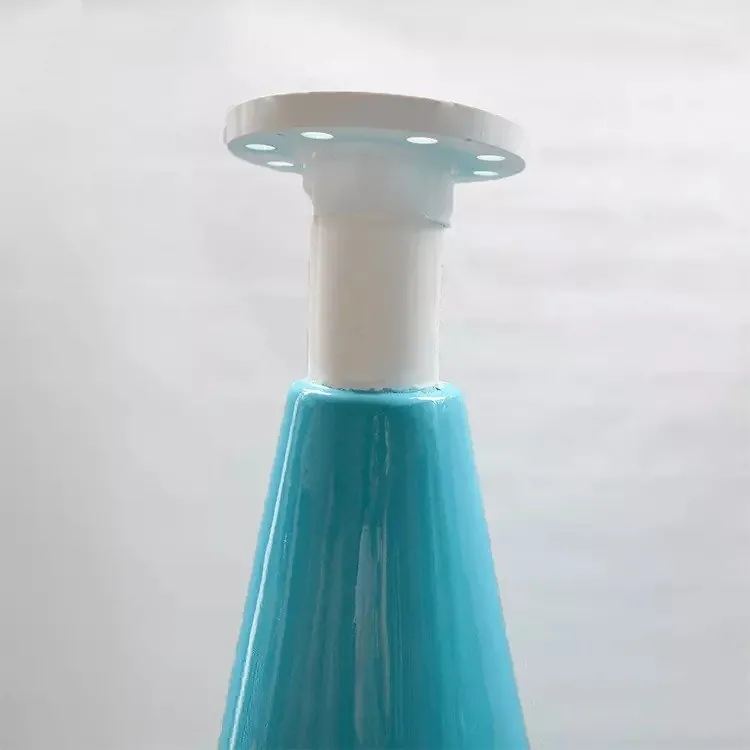
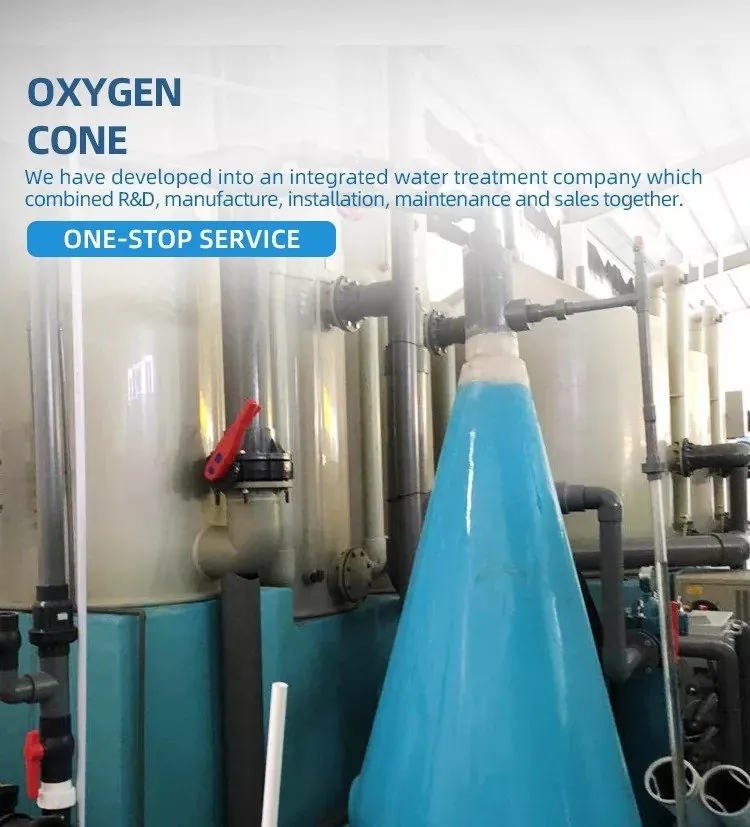
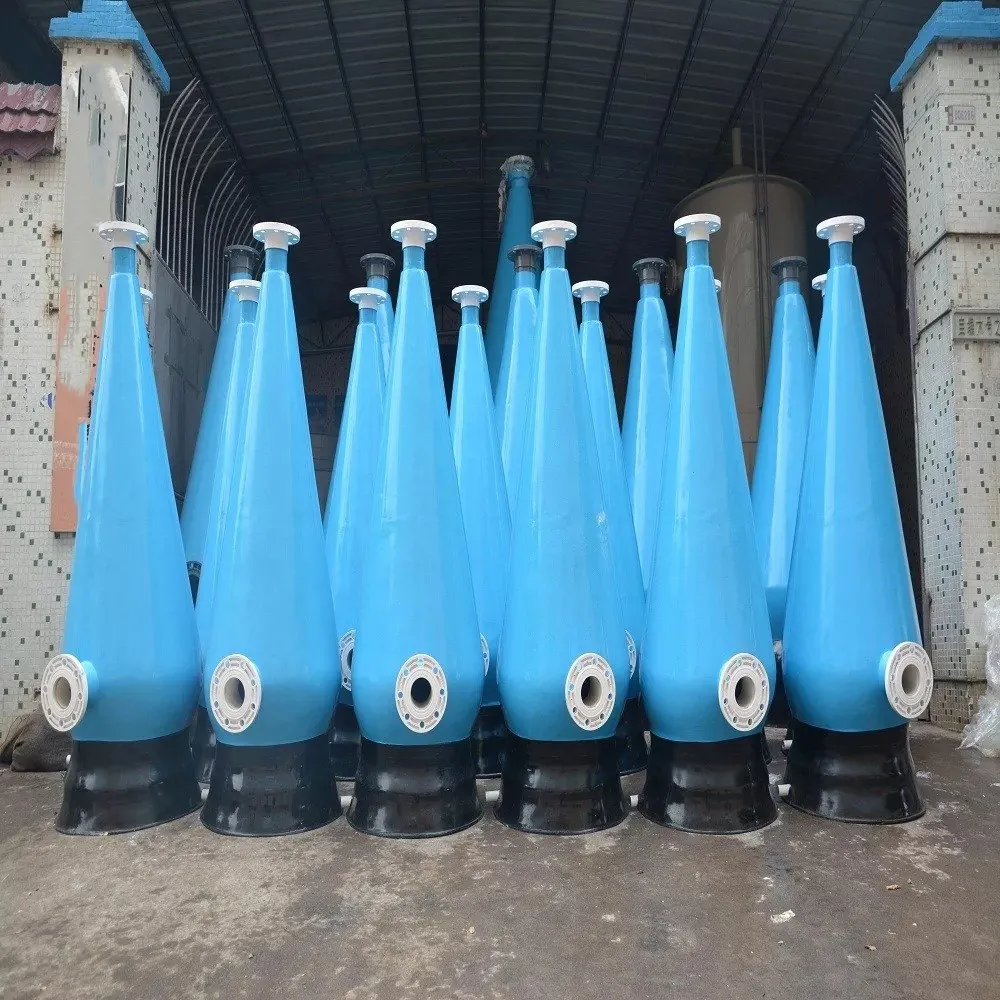
Oxygen cone also called aeration cone, is aeration equipment specially designed for industrial aquaculture. Oxygen cones are used for mixing oxygen in the water. The shape makes the saturation efficiency very high, up to 95%. Water and oxygen enter at the top of the cone at relatively high speed. The stream of water pushes the oxygen bubbles down until they completely dissolve. The pure oxygen feed can come from cylinders, liquid oxygen or an on-site oxygen generator for aquaculture.
Advantage:
Because the water body of high-density aquaculture contains a lot of food and not enough time to remove manure and other organic fish, these organisms also consume large amounts of oxygen decomposition. The traditional way of oxygen such as air aeration has been unable to reach this level. The use of oxygen by increasing the amount of dissolved oxygen in water has become a powerful way to the urgent needs of the market. So, the Oxygen cone is specifically for industrial aquaculture aerobics designed as a device that provides high dissolved oxygen in the water for ultra-high density aquaculture.
Specifications
Model series integrated from industry practice — final specifications are confirmed by SIGMA's production line per project.
| Model | Capacity | Typical use | Core configuration |
|---|---|---|---|
| SIGMA-DOC-5 | 5 m³/h (~5,000 LPH) | Small RAS modules | O₂ generator / cylinder |
| SIGMA-DOC-10 | 10 m³/h | Mid-size recirculating systems | O₂ generator / cylinder |
| SIGMA-DOC-20 | 20 m³/h | Commercial tank arrays | O₂ generator |
| SIGMA-DOC-50 | 50 m³/h (~50,000 LPH) | Large-farm units | O₂ generator / liquid oxygen |
| SIGMA-DOC-100 | 100 m³/h | Large farms / clusters | Liquid oxygen |
| Working principle | Downflow cone (Speece cone) — pure oxygen injected at the top is held in a bubble cloud until dissolved |
|---|---|
| Oxygen source | PSA oxygen generator / O₂ cylinders / liquid oxygen (supplied separately) |
| Cone material | High-strength FRP / food-grade PP — corrosion-proof, seawater-ready |
| Water type | Freshwater / saltwater |
| Feed | Low-pressure pumped feed (model-specific) |
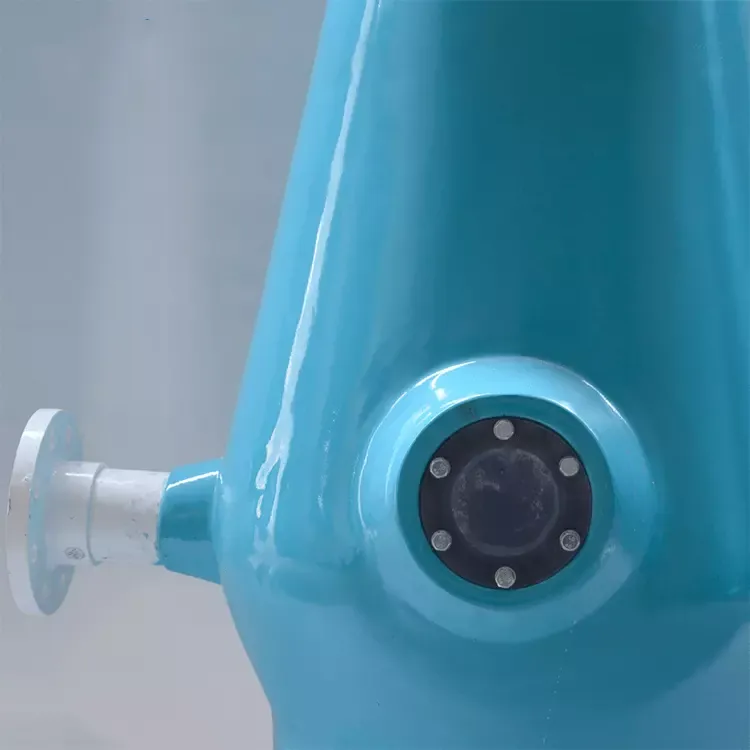
| Options | Online DO monitoring, oxygen flow meter, PLC closed-loop control, sight glass |
System composition
Near-pure O₂ dissolves almost completely inside the cone under hydraulic pressure — no gas wasted, no bubbles escaping.
Breaks through the air-saturation ceiling that surface aerators are limited to, enabling truly high stocking densities.
Compared with surface aeration, the oxygen cone delivers much more dissolved oxygen per unit of electricity — the economics behind high-density, low-exchange RAS.
Long service life in both fresh and salt water.
Pairs with a DO monitor and oxygen generator to hold target dissolved oxygen automatically.
From a single cone to parallel banks as production grows.
Oxygenation happens inline, leaving the culture-tank surface calm.
Application
Video
FAQ
It is a downflow gas-to-liquid reactor: water is pumped in at the narrow top while pure oxygen is injected at the same point. As the cone widens downward, water velocity drops to match the rising bubbles, holding them in a controlled bubble cloud until almost every molecule has dissolved.
Because the gas is consumed inside the cone under hydraulic pressure, oxygen transfer efficiency reaches up to ~100%, with no wasteful bubbles breaking the tank surface.
Paddle wheels and diffusers can only push DO up to air-saturation. An oxygen cone super-saturates the water with pure oxygen, delivering far more DO per kWh — what makes truly high-density, low-water-exchange RAS economically viable.
The body is high-strength FRP or food-grade PP, corrosion-proof for both fresh- and sea-water, and it pairs with a dissolved-oxygen monitor and an oxygen generator for closed-loop control.
An oxygen cone for aquaculture (also called a Speece cone or DO cone) dissolves near-pure oxygen into the water at up to ~100% transfer efficiency — far more than a paddle wheel can achieve by surface aeration alone. Oxygen cone aquaculture applications include high-density RAS for tilapia, salmon, shrimp and sturgeon, where stocking densities require dissolved oxygen levels that air-saturation alone cannot sustain. The cone operates inline, with no surface disturbance, and pairs with a DO meter and an oxygen generator for closed-loop control.
Related equipment
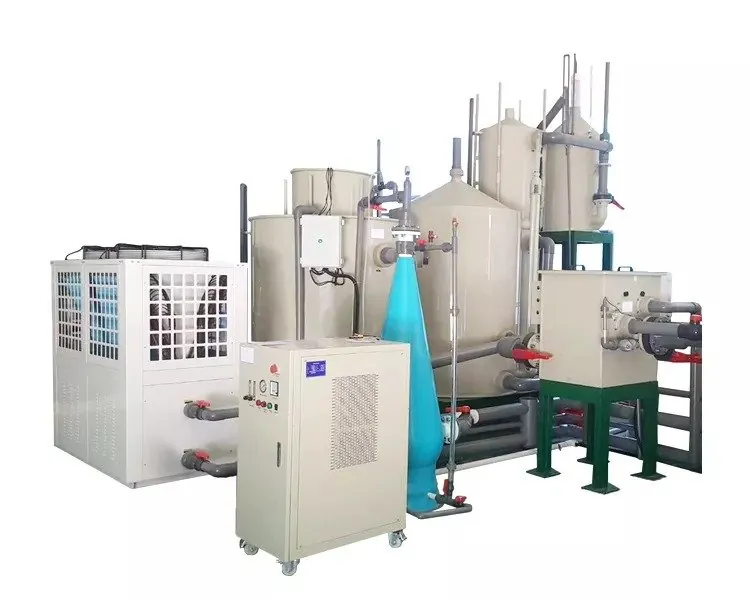
Complete recirculating aquaculture (RAS) systems: drum filters, biofilters, oxygen cones, pumps & monitoring. Custom-designed for your species & volume.
View details →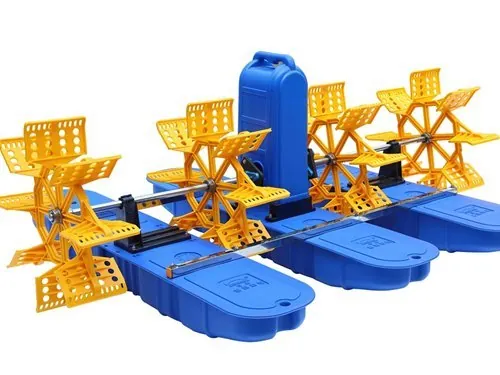
Energy-efficient paddle wheel aerators for shrimp & fish ponds — strong circulation & oxygen transfer, durable impellers. Multiple sizes, factory-direct from SIGMA.
View details →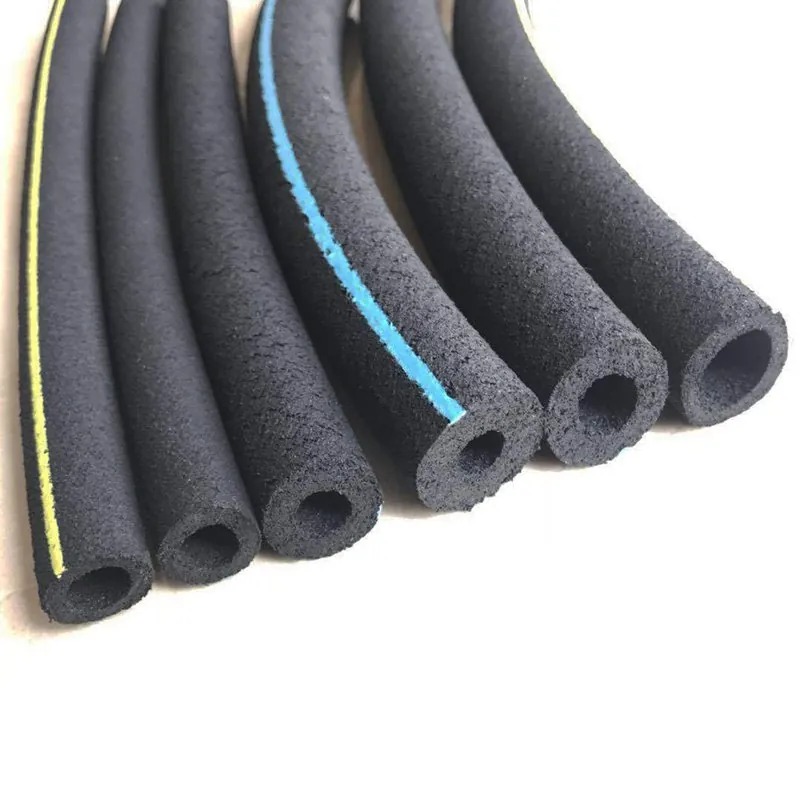
Micro/nano-bubble oxygen diffuser pipes & aeration hose for biofloc and pond fish farming — fine bubbles, high oxygen transfer, clog-resistant. Factory-direct.
View details →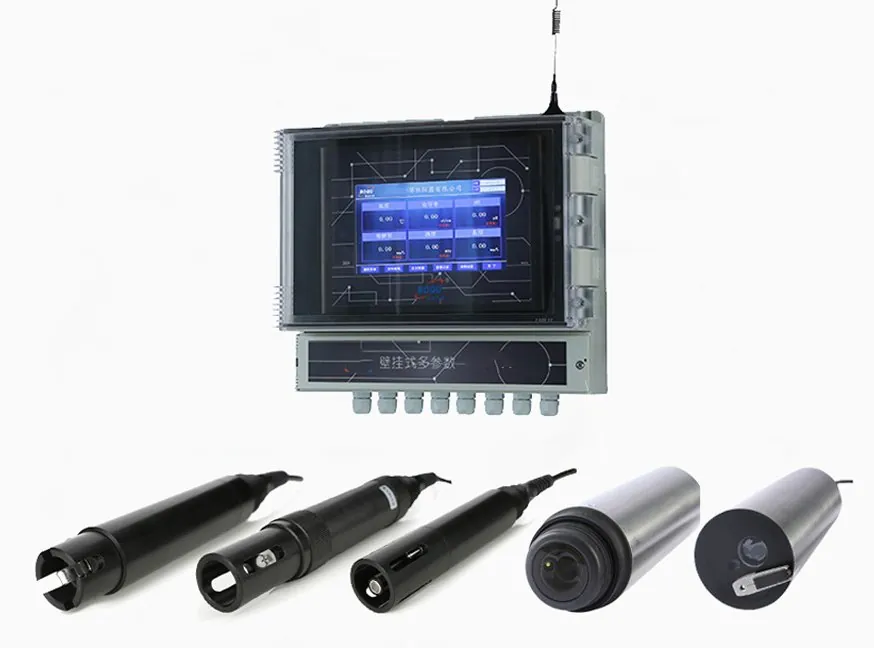
Online multi-parameter water-quality monitor for aquaculture — measures dissolved oxygen, pH, ORP, TDS & conductivity in real time. Factory-direct from SIGMA.
View details →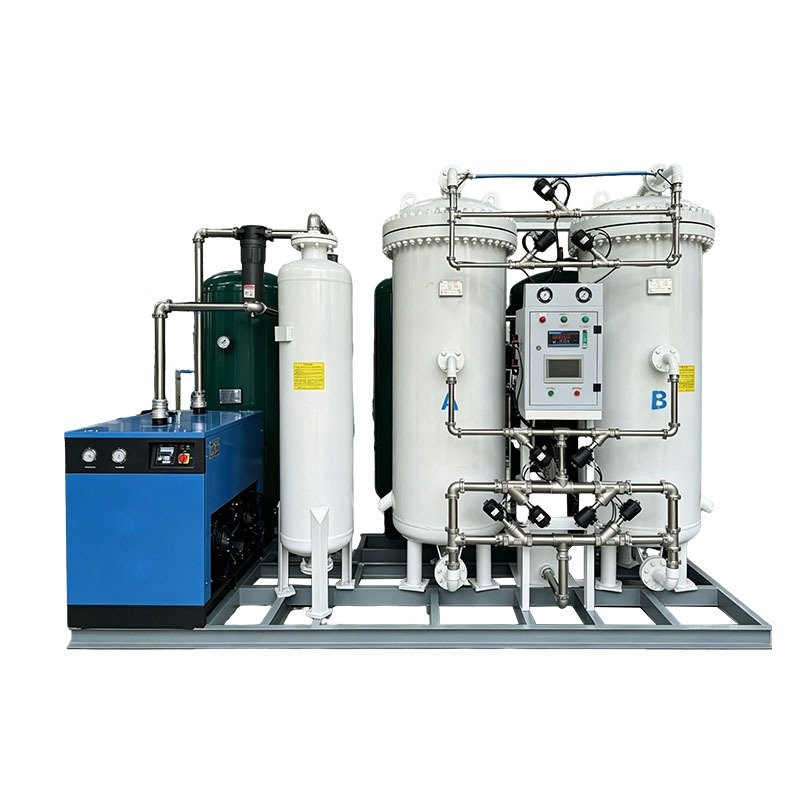
PSA oxygen generator for aquaculture makes high-purity oxygen on site from ambient air, feeding cones and diffusers for dense fish and shrimp ponds.
View details →Tell us your species, target density and site — our engineers size the system and reply within one business day.