Biofloc Farming: Guides & Equipment
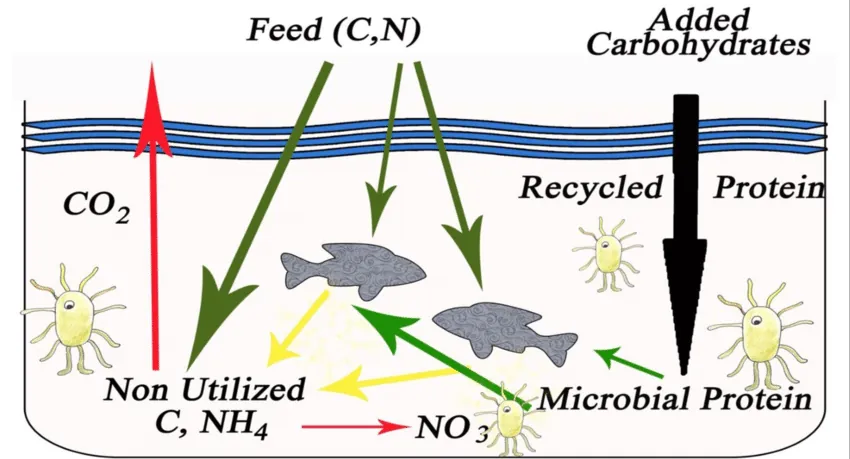
Biofloc technology turns the waste your fish and shrimp produce into food. Instead of flushing dirty water out of the tank, a biofloc system grows a dense community of bacteria and microbes that consume the ammonia from fish waste and uneaten feed, then clump into protein-rich particles — the bioflocs — that the stock eats. The result is a near-zero-water-exchange system that recycles nutrients in place, which is why biofloc aquaculture has spread from research ponds to commercial tilapia and shrimp farms across Asia, Africa and Latin America.
How biofloc technology works
The mechanism is simple to state and demanding to run. By adding a cheap carbon source — molasses, wheat flour or cassava — you raise the carbon-to-nitrogen (C:N) ratio of the water to roughly 15–20:1. At that ratio heterotrophic bacteria multiply fast and pull ammonia straight out of the water to build their own cells. Those bacteria, together with algae and organic particles, aggregate into suspended flocs. Two useful things happen at once: the toxic ammonia is removed, and the floc itself becomes a 25–50% protein feed the fish graze on between meals. The system only works while the water is aerated and moving, so dissolved oxygen has to stay above 4–5 mg/L, twenty-four hours a day.
Why farmers move to a biofloc system
- Water: exchange is cut by 80–90% versus a flow-through or earthen pond — decisive where water is scarce, metered or pumped.
- Feed: floc protein can replace 10–30% of formulated feed, the single biggest running cost on most farms.
- Density and biosecurity: higher kg/m³ on the same footprint, in a closed system that keeps pathogens out.
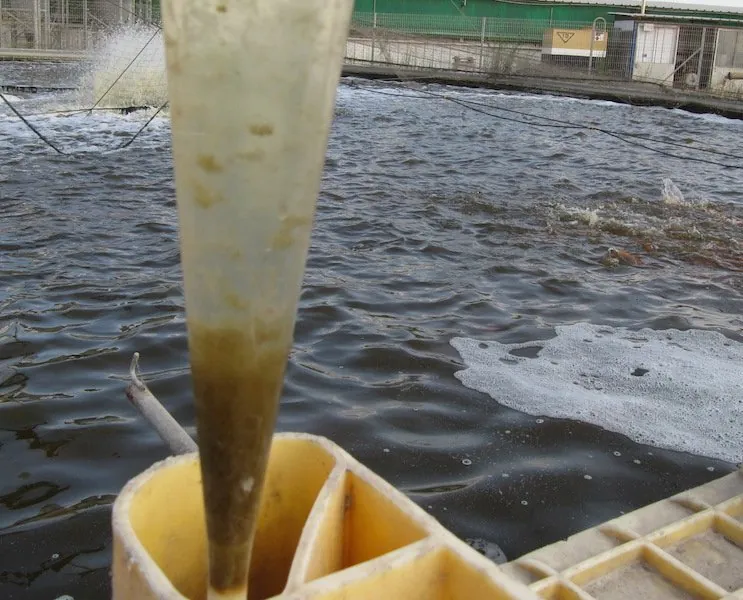
The trade-off is honest: biofloc swaps a water problem for a power problem. Aeration must never stop, and the floc has to be held inside a working window — about 200–500 mL/L of settled solids — or the system tips from clean to anaerobic.
SIGMA biofloc equipment
A biofloc system is forgiving on water but unforgiving on oxygen, so the equipment list is short and non-negotiable: continuous aeration from a root blower feeding a grid of nano aeration tubes, a tank that holds clean water (commonly a 650–750 GSM PVC tarpaulin or an HDPE-lined pond), water-testing instruments, and backup power. SIGMA manufactures and exports this hardware as an HDPE and biofloc aquaculture specialist, with biofloc tanks shipped to groups such as Japfa and to farms in Ghana, Mozambique and Bangladesh. See our full range of biofloc aquaculture equipment, or tell us your species and tank size for a quote.
New to the method? Start with what biofloc technology is and how it works, then see tank setup costs and materials, which fish suit biofloc, and the biofloc equipment package for a complete tank-aeration-monitoring setup.
Related equipment
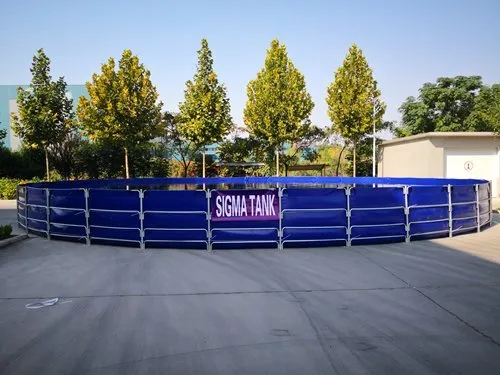
PVC Fish Tank
Modular PVC fish-farming tanks — quick assembly, energy-saving, food-safe liner, lower cost than concrete. Any size for biofloc & RAS. Factory-direct from SIGMA.
View details →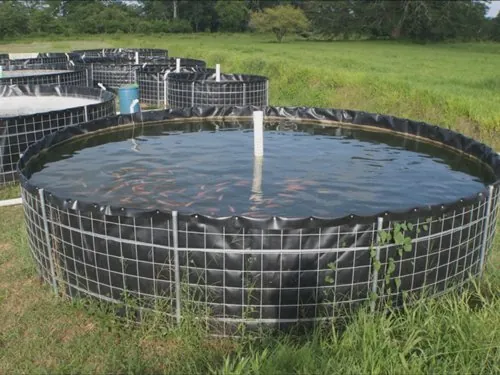
HDPE Fish Tank
Durable HDPE fish-farming tanks — on-site welding, 15-year liner, lower cost than earthen ponds. Any diameter & depth. SIGMA ships worldwide. Get a quote in 12h.
View details →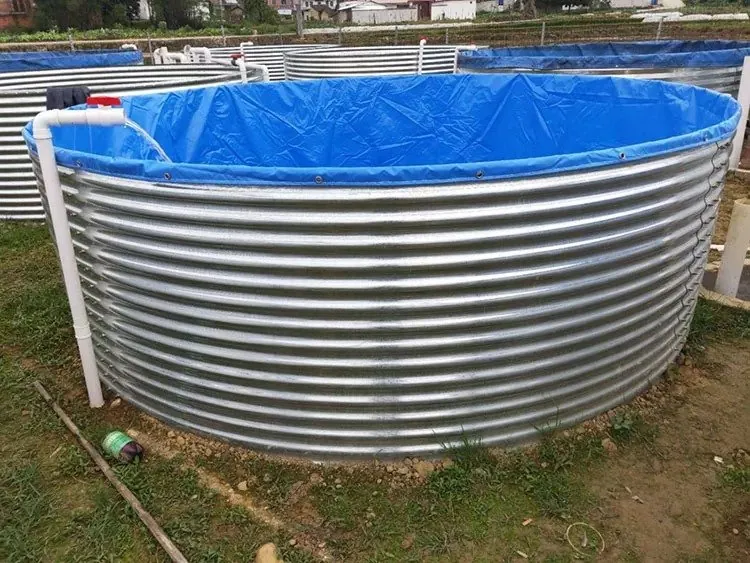
Galvanized sheet tank
Galvanized steel fish-farming tanks with food-grade liner — strong, fast on-site assembly, long service life. Custom diameters for fish & shrimp, factory-direct.
View details →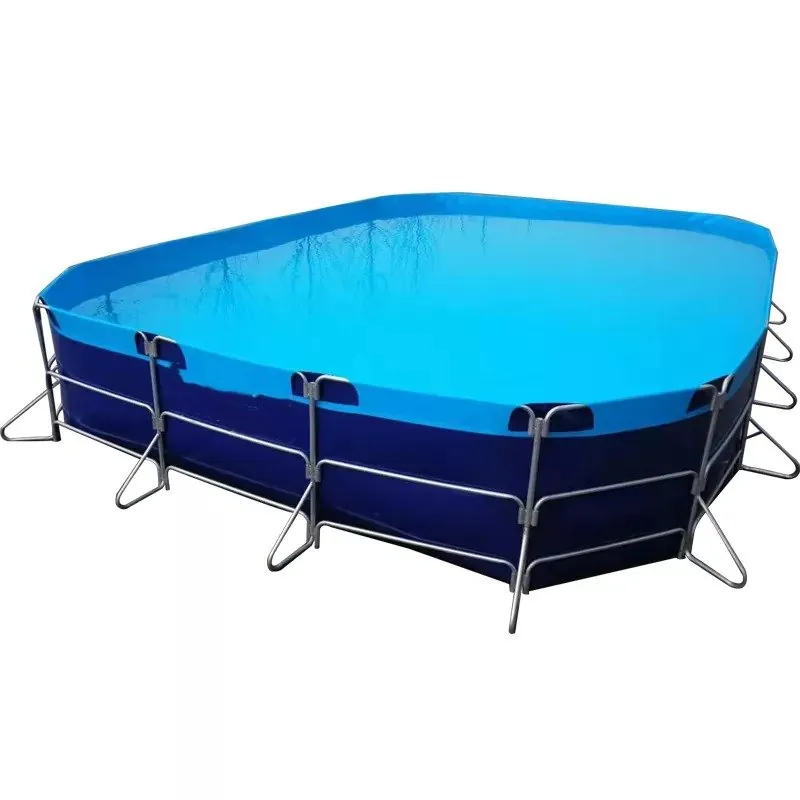
Rectangle fish tank
Rectangle fish tanks from SIGMA, designed for aquaculture anywhere needed, ready for quick delivery. Easy to install, with optional features for custom setups.
View details →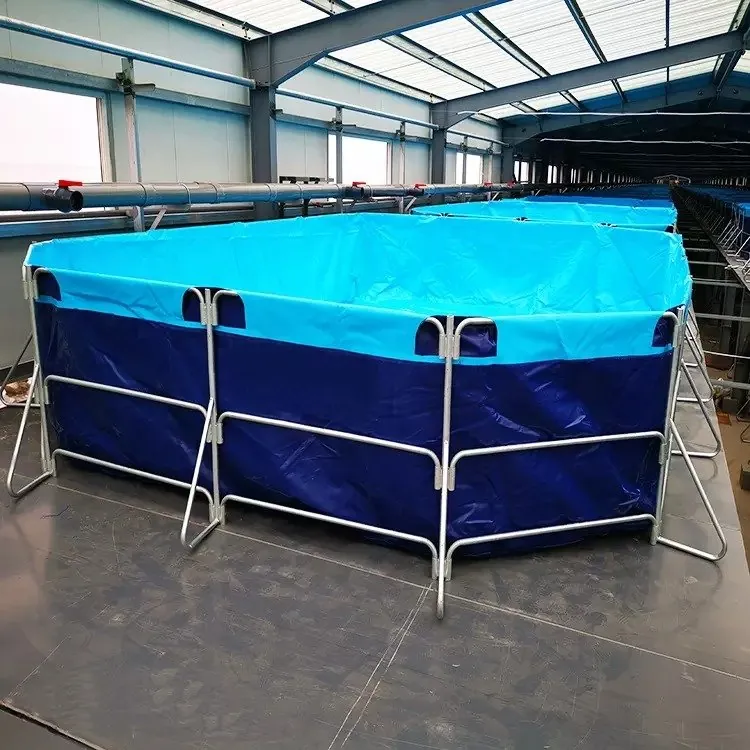
Rectangle Aqua Tank
Rectangular fish-farming tanks for hatcheries, RAS & live-holding — space-efficient layout, custom dimensions, food-safe finish. Factory-direct from SIGMA.
View details →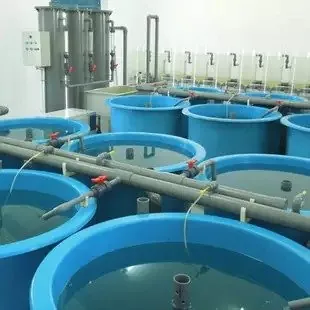
FRP Fish Tank
Corrosion-proof FRP (fiberglass) fish tanks for hatcheries, RAS & live-holding. Custom shapes & sizes, smooth food-safe surface. Manufacturer-direct from SIGMA.
View details →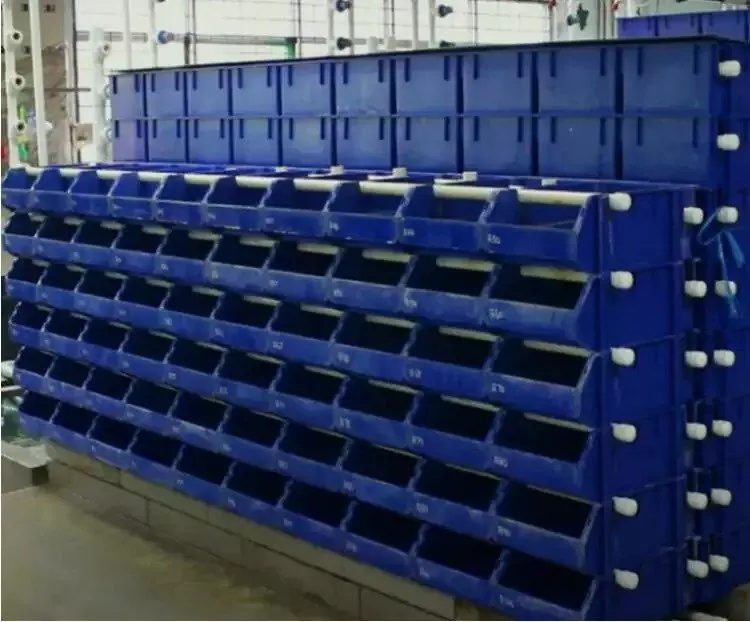
Crab House
Stackable crab box / crab-condo systems for soft-shell & mud crab farming — individual cells, integrated water flow, space-saving. Custom setups from SIGMA.
View details →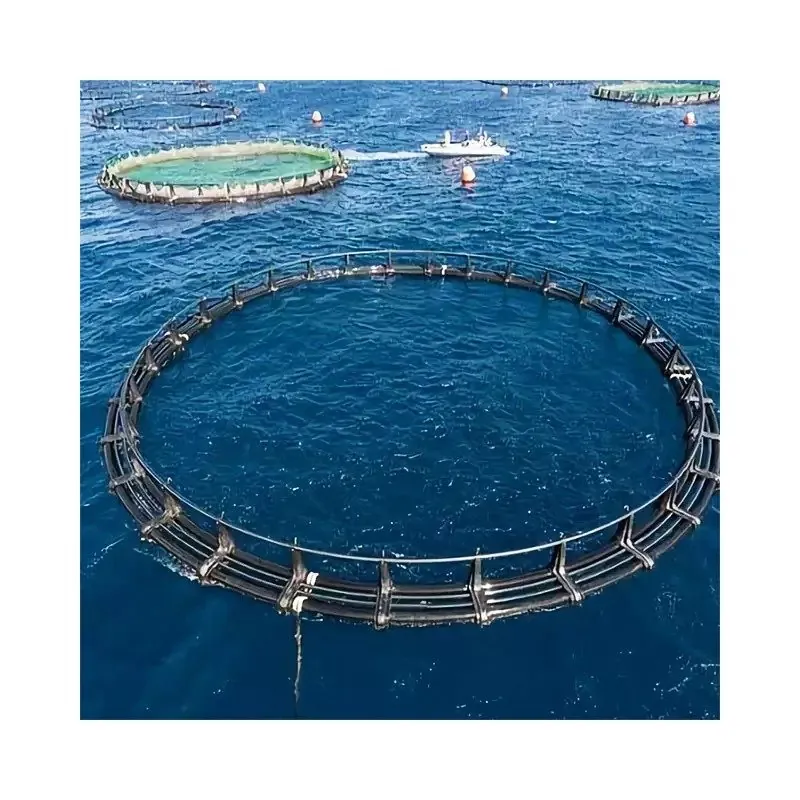
Float Cage
HDPE floating fish cages & net pens for lakes, reservoirs & sea farming — durable frames, wave-resistant floats, custom sizes. Factory-direct from SIGMA.
View details →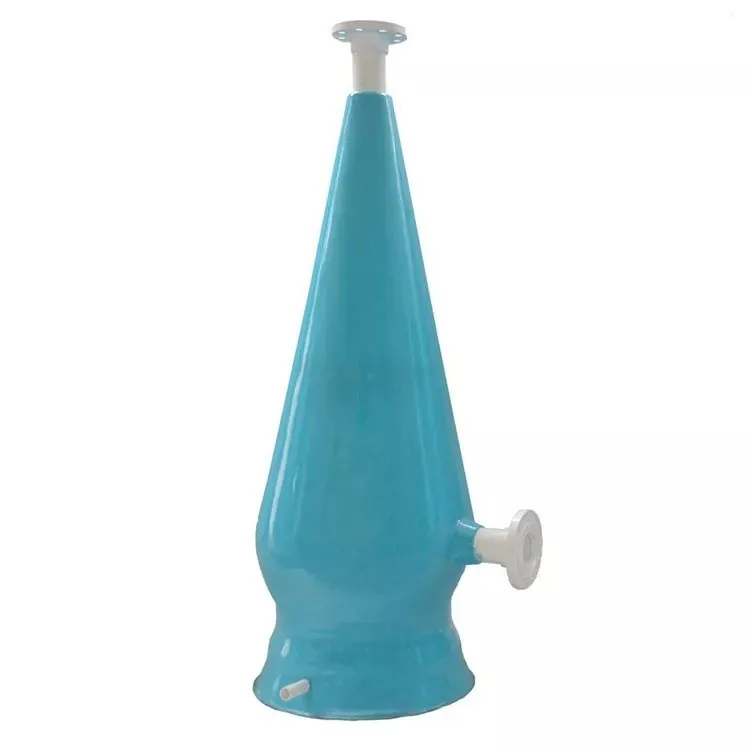
Dissolved oxygen cone
Oxygen / Speece cones that dissolve pure O2 for high-density RAS & biofloc farms. High transfer efficiency, multiple capacities. Manufacturer-direct from SIGMA.
View details →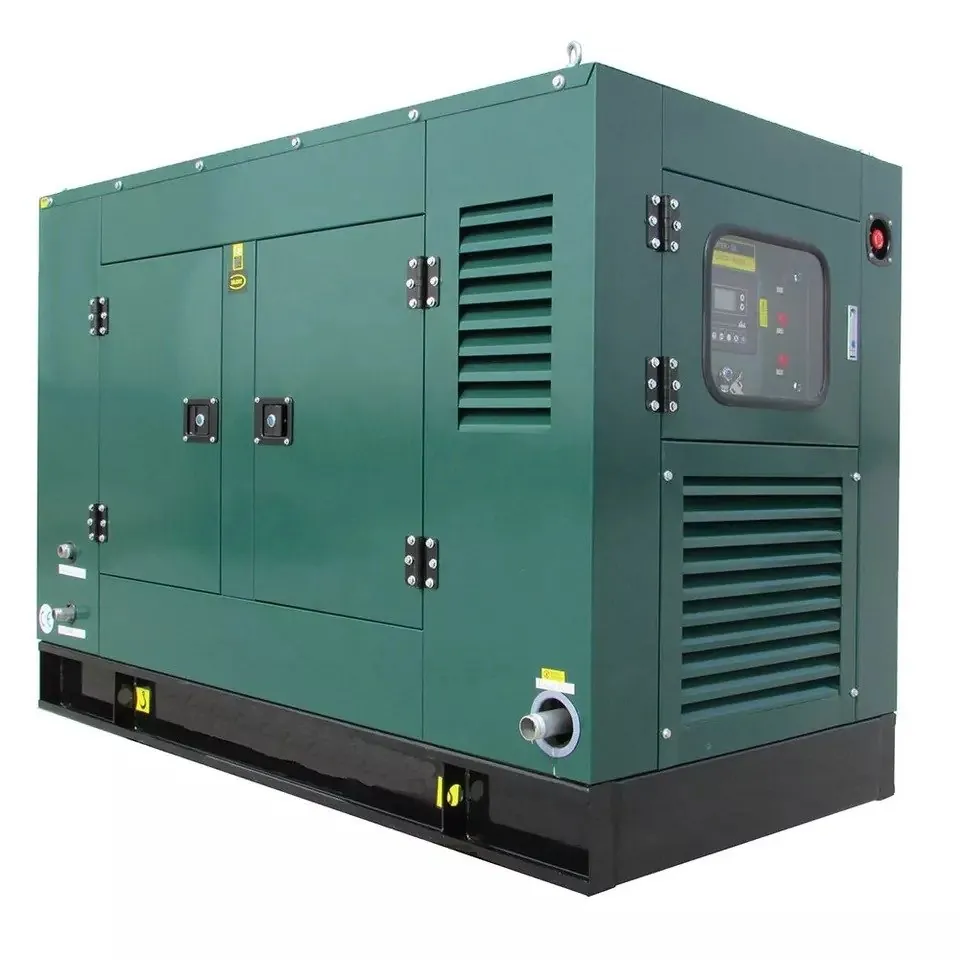
Electricity Generator
Reliable diesel generators for fish farms & aquaculture — backup power for aerators, pumps & RAS, multiple kVA ratings. Factory-direct from SIGMA.
View details →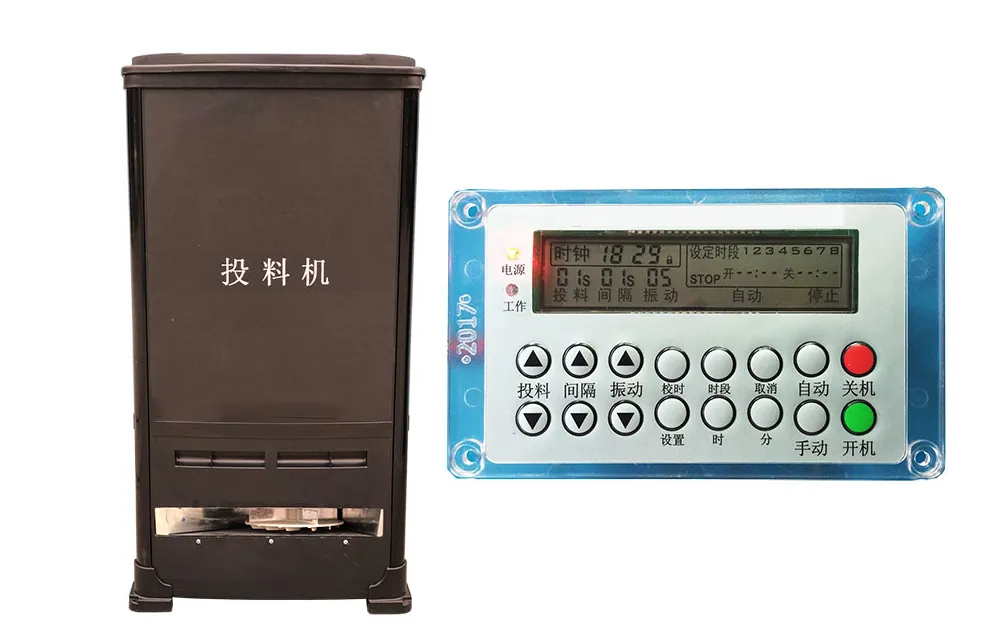
Feeding machines
Automatic & smart fish-feeding machines for ponds, cages & RAS — programmable timing, even broadcast, saves labor & feed. Multiple capacities from SIGMA.
View details →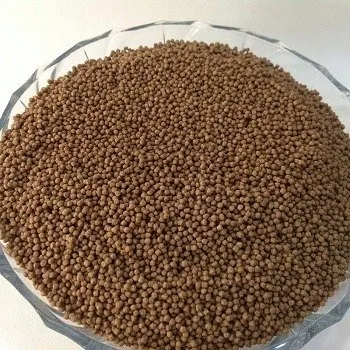
Fish Shrimp Feed
High-protein floating & sinking feed for tilapia, shrimp & carp — optimized FCR, stable in water, full size range. Bulk aquafeed supply from SIGMA.
View details →